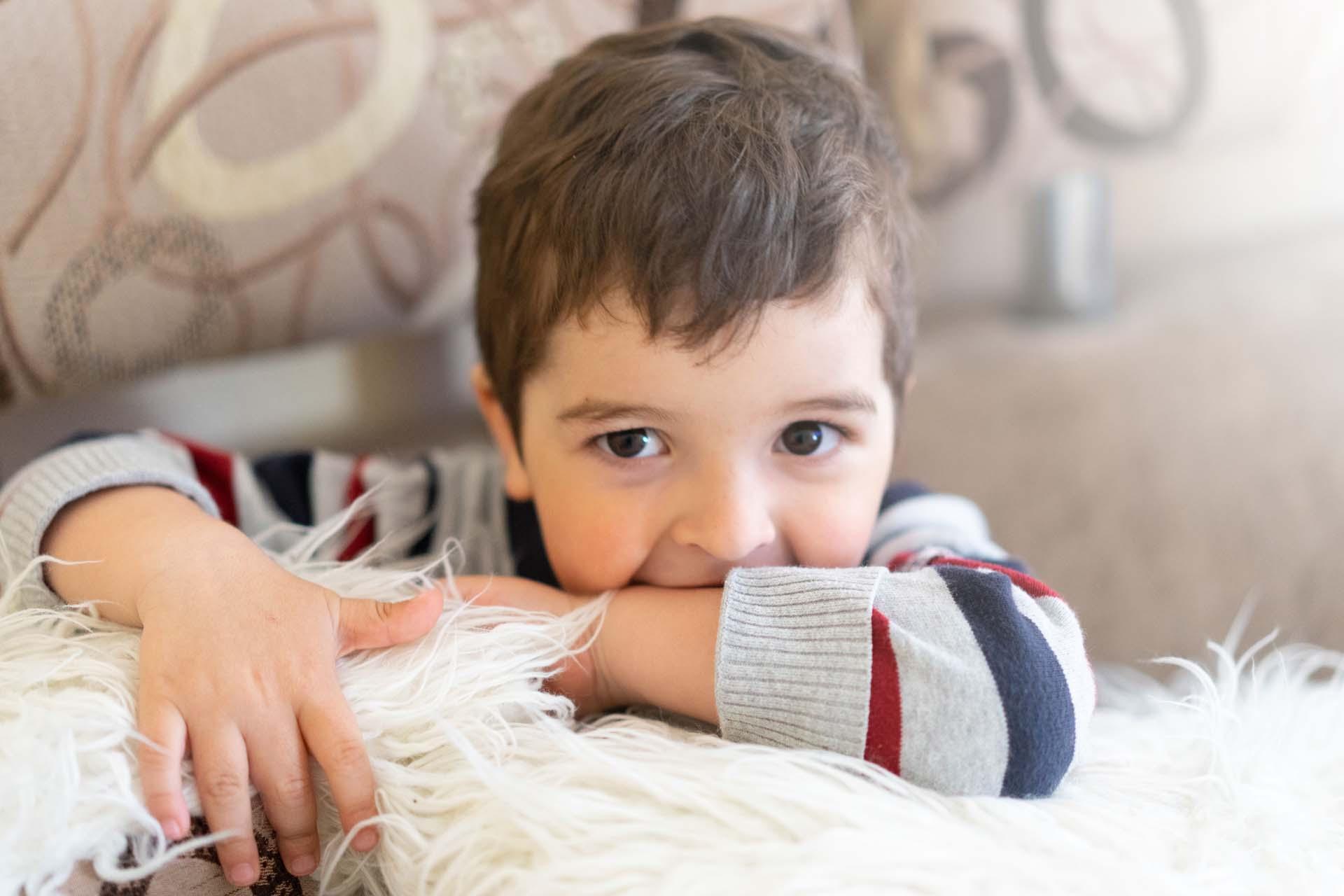
We’re proud to partner with Whānau Āwhina Plunket to help build safer homes, stronger communities and brighter futures for Kiwi whānau.
Every family deserves a home that supports their wellbeing and gives parents peace of mind. Together with Whānau Āwhina Plunket, we've gathered some practical design considerations and everyday safety tips to help you create a safer home for your growing whānau.
Our new home safety tips include:
- Fencing. Kids love to run but they also need boundaries. Fence your yard to give you security that young ones are safe away from moving vehicles and other hazards and cannot get to the road.
- Stair gates. Open-plan rooms are in favour and kids can spread out their toys. Use stair gates to protect kids in a double-story home and help you create multiple spaces where you know the little ones are safe.
- Window security stays. Fresh air flow is good for your health, but safety is important. Keep climbable furniture away from windows and consider window opening restrictors so the gap isn’t big enough for your child to climb through.
- Window coverings. Blinds are really functional as window coverings. Ensure any cords attached to your blinds are secured to the wall and out of the reach of small hands.
- Closed laundry. The laundry can be a busy space. Design your laundry with a closing door or a lockable cupboard so access to cleaning products and other hazards can be controlled.
- Safety locks. No-one wants little ones getting their hands into things they shouldn’t touch. Install safety locks on cupboards containing medicine, poisons and chemicals.
- Safe heating. Warm homes are important for healthy tamariki. Use fireguards on fireplaces, position your child’s bed away from windows and external walls where possible, and keep heaters at least one metre from the bed. Test your smoke alarms monthly to help keep your whānau safe.
- Kitchen safety. Curious little ones can’t tell a toy from a tool or a toxic substance. Design your kitchen so dishwasher detergent and cleaning products can be stored securely – giving you peace of mind.
- Soft-closing drawers. Our kitchens are the heart of our home and we spend a lot of time there. Opting for softclosing drawers is a great way to protect little fingers.
- Appliance placement. Little kitchen helpers are often keen to get involved. Position hot appliances and sharp utensils out of children’s reach and away from bench edges to keep your tamariki safe.
- Entry and driveway. Vehicles and people need to be separated in your entranceways. Carefully plan the entry and exit points in your new home in relation to the driveway so kids can’t easily access the drive or the road.
- Railing on decking. We love our outdoor entertaining areas. Design deck balustrades with adventurous children in mind, ensuring they can’t easily climb over or squeeze through.
- Deep & wide stairs. Moving up and down within our house is something we want to be easy. Consider wider, deeper stairs to make climbing easier for little legs, and carpet can help cushion falls.
- Outdoor play. When planning your kids’ play area, choose softfall surfaces beneath climbing equipment. Bark, rubber matting or pea gravel can help cushion falls.
- Door hardware. Choose door hardware that helps keep little ones safe. Consider higher handles where appropriate, and ensure bathrooms, laundries and other hazardous areas can be unlocked by parents from either side in an emergency.
- Securing Furniture. All bookcases, dressers, televisions, appliances and other items a toddler may climb should be securely anchored into a wall stud. You can purchase furniture anchors and restraints at hardware retailers and baby stores.
As part of our partnership with Whānau Āwhina Plunket, we're pleased to share these free printable Baby Milestone Cards to help you capture your child's precious first moments.
Click here to download your printable Plunket Baby Milestone Cards.