

When families think about building a new home, they often focus on floor plans, aesthetic design and budget. But some of the most important features of a family home aren't always visible on a plan.
The way a home feels can have a significant impact on family life. Warmth, fresh air, natural light and quieter spaces all contribute to better sleep, improved wellbeing and a home that supports busy family life.
Many older New Zealand homes were built before modern insulation, ventilation and glazing standards existed. As a result, they can be cold, damp and difficult to keep comfortable throughout the year. New builds are designed differently, with features that help create healthier living environments for the whole family.
Warm, dry homes
One of the first things families notice when moving into a new build is how comfortable and easy they are to heat. That's because new homes typically include:
The result is a home that stays warmer in winter, cooler in summer and is often more affordable to heat.
Sleep is essential for growing children and busy parents alike. Cold bedrooms can make it harder to rest, while overheated rooms in summer can also affect sleep quality.
As Generation Homes homeowner Marlise Steyn explains, "One of our biggest learnings from our first home was getting a good heating system and air conditioning. Our previous house was difficult to cool in summer, so creating a more comfortable home became a real priority."
Fresh air makes a difference
Everyday family life generates a surprising amount of moisture inside the home. Cooking dinner, showering, drying clothes, breathing and even sleeping all release moisture into the home. In fact, one person can contribute around 200ml of moisture every waking hour (and 20ml per hour while sleeping) simply through breathing.
Without adequate ventilation, this moisture can build up inside the home, leading to condensation, dampness and poor indoor air quality. Removing excess moisture is important for respiratory health, comfort and overall wellbeing.
Modern homes are designed to be more energy efficient and airtight, which makes good ventilation even more important.
Ventilation solutions
There are several ways modern homes manage moisture and improve indoor air quality:
Combined with good insulation and heating, effective ventilation helps create a warmer, drier and healthier home. By reducing moisture and improving indoor air quality, it can help reduce the risk of respiratory illnesses, asthma and allergies while making living spaces feel fresher and more comfortable.
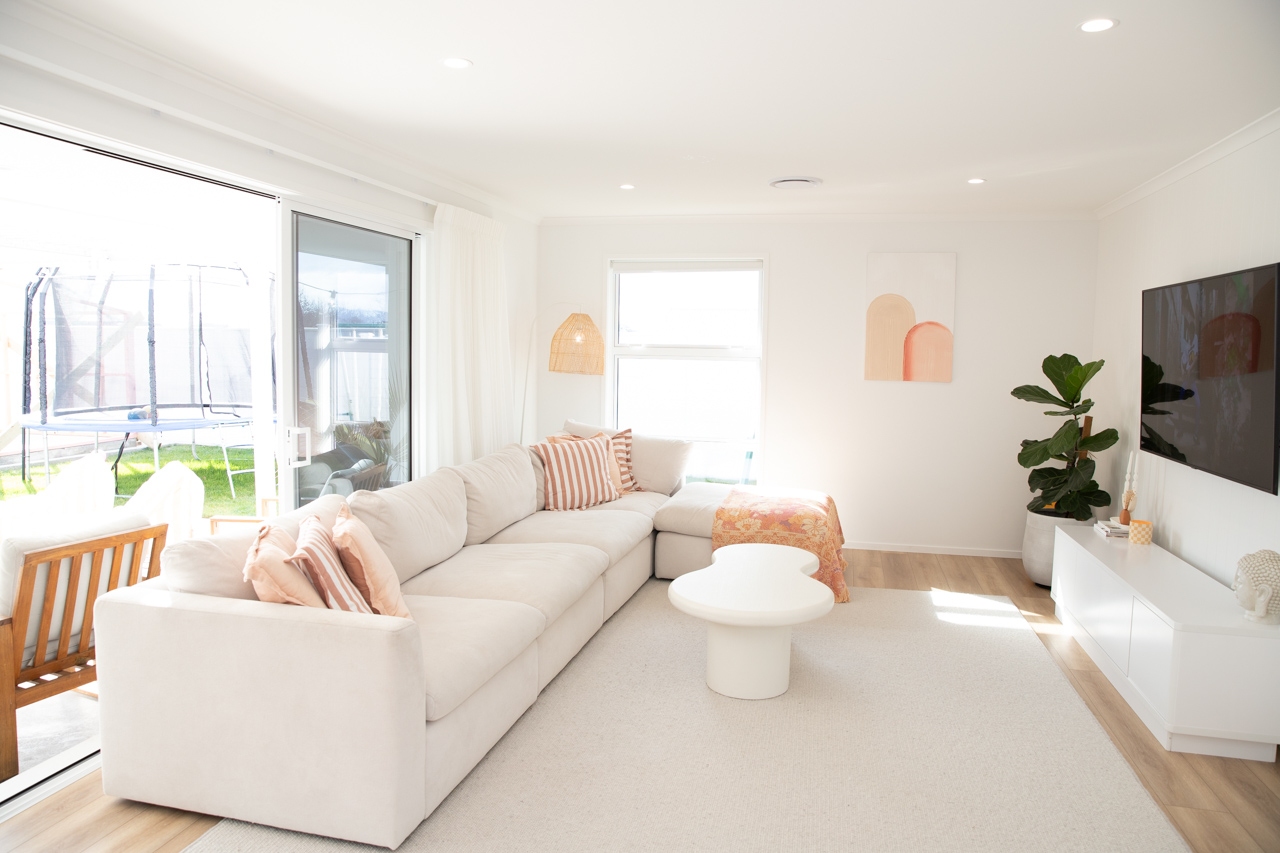
"We made the living area more open with stacker doors and there's great airflow in the summer." Humz Brooky, Generation Homes homeowner.
Natural light supports wellbeing
Natural light can transform the way a home feels. Bright living areas often feel more welcoming, while sunny bedrooms and family spaces can contribute to a greater sense of wellbeing.
The orientation of a home on its site, north-facing living areas, and thoughtful window and skylight placement all help optimise daylight. At Generation Homes, we conduct sun studies during the design phase to understand how light moves through the home during the day.
Ultraviolet (UV) light is a natural disinfectant, so letting the sun shine through your windows can help reduce bacteria and mould spores that thrive in dark, damp environments.
These lighter, brighter spaces not only feel more uplifting and enjoyable, but they can also have a positive impact on wellbeing.

Designing for peace and quiet
Family homes are rarely silent (and if they are, parents usually start worrying!), but thoughtful design can help create spaces that feel calmer.
Standard features of a new build, such as double glazing and insulation, help reduce external noise and limit sound transfer between rooms. Soft furnishings, carpets, curtains and rugs can also absorb sound and reduce echo in busy family spaces.
For families who want additional acoustic performance, extra insulation can be added to internal walls, acoustic batts can be installed around media rooms or bedrooms, and solid-core doors can help reduce noise transfer between spaces.
These features can be particularly valuable if you have a budding drummer, a teenager who loves gaming, a parent working from home or young children with different sleep schedules.
Quieter bedrooms can support better sleep, while living areas remain comfortable spaces for family activities and entertaining.
Spaces that support family wellbeing
Healthy homes aren't just about building materials or technology. They're also about creating spaces that support everyday life and the rhythms of family living.
Homes designed with indoor-outdoor flow and intentional zones for children (such as media rooms or reading nooks) can help homes feel larger, calmer and easier to live in.
As Gabby Brooky explains, "My favourite space is the living area that opens outside – just having that extra space for the kids to play. When we have Humz's family over it doesn't even feel like we're crammed."
Ultimately, a healthy home is one that helps families feel comfortable and supported.
Because raising children is rarely predictable, a home that feels warm, healthy and welcoming can provide something every family values: a place to rest, recharge and come together. "One of the biggest things for me is how warm the house is. Our previous home had no insulation and was freezing in winter, but both the main house and the minor dwelling are warm and dry. That's been such a blessing, especially with little ones." Marlise Steyn.